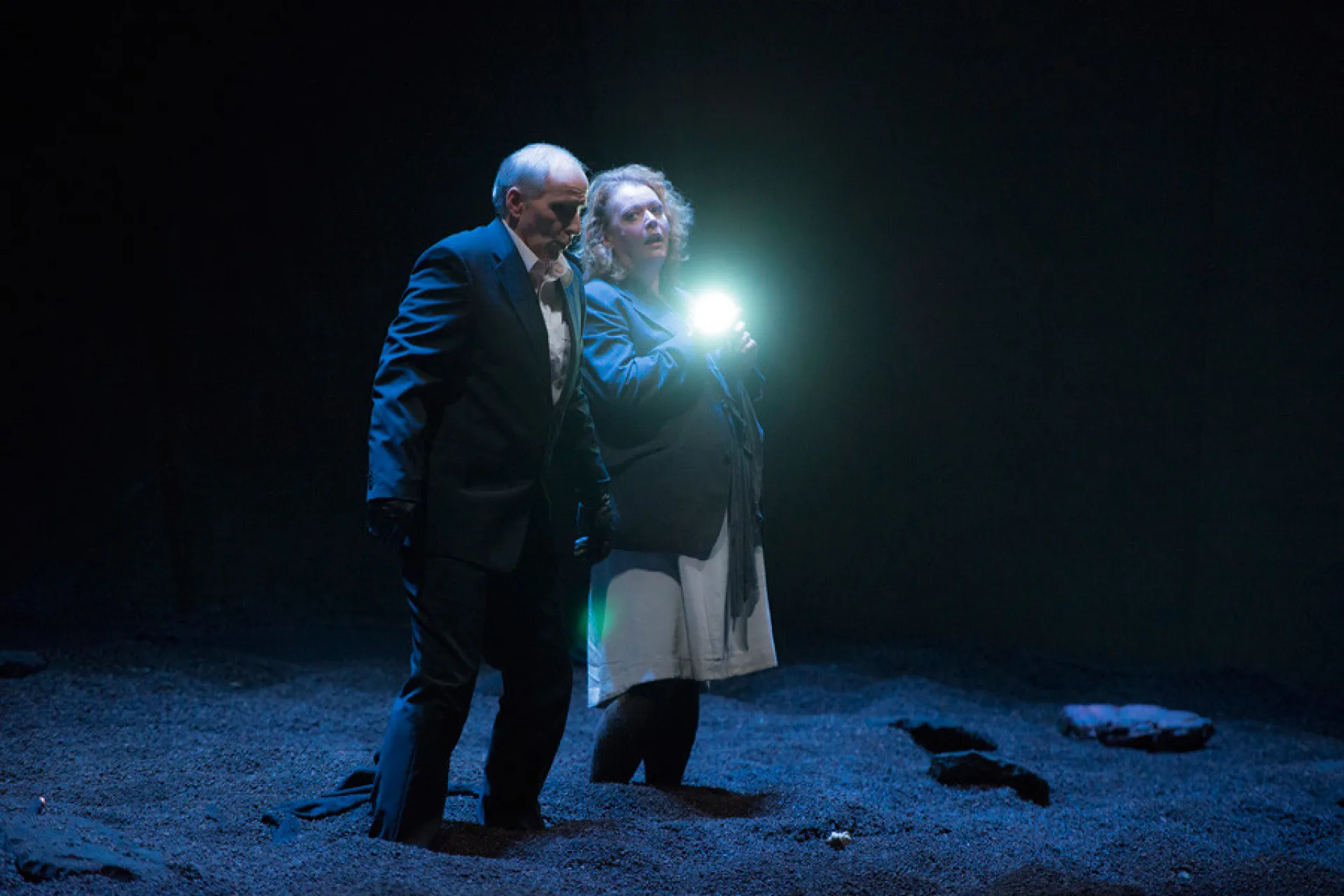
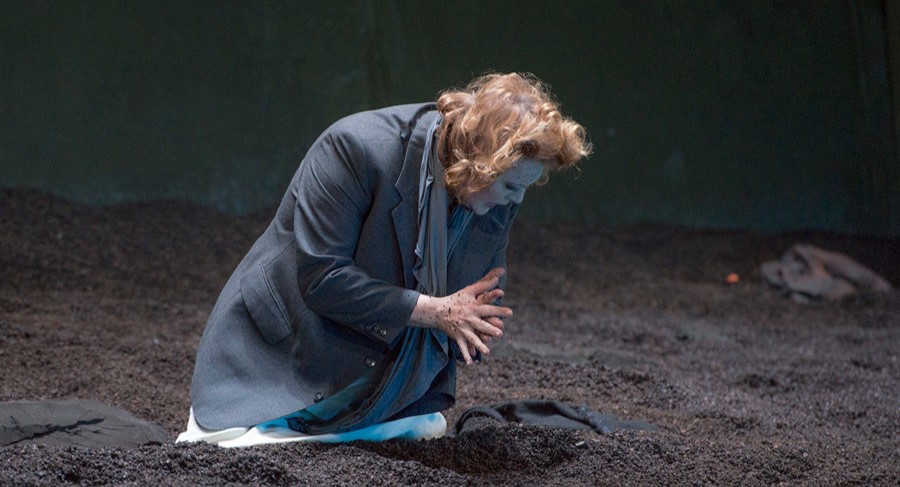
In a courtyard of the Mycenaean palace servant girls speak disparagingly about Elektra. Elektra has not got over the murder of her father, Agamemnon, and the idea of revenge dominates her thoughts. Only one of the maidservants shows sympathy for her and is punished as a result. Elektra is yearning for the moment when vengeance will be hers and fully believes that it will come about by the actions of her brother, Orest, who was brought up in a distant region. Her sister, Chrysothemis, finds Elektra’s existence hard to bear and attempts to protect her from their mother, who has evil intentions. Chrysothemis wants to leave that awful place along with her sister so that they can live in freedom. Their mother Clytemnestra, who has been plagued by nightmares since she killed her husband, asks her daughter Elektra for help and while their conversation lasts it seems as if the two women might be reconciled. But Elektra’s hatred flares up again when Clytemnestra lies to her daughter over the whereabouts of her son, Orest. Elektra replies ambiguously to Clytemnestra’s question about the remedy for her anguish and fear, telling her mother that once the proper animal has been sacrificed under the axe her bad dreams will cease. Two strangers arrive and report the death of Orest. Elektra expresses her desire to ally with Chrysothemis in committing the deed, but her sister cannot contemplate such a thing. Determined to avenge herself, Elektra resolves: “Fine, then, I’ll do it alone!” One of the strangers moves closer to Elektra; shaken at the sight of her physical and emotional state, he allows her to see who he is: Orest. He exits to do the deed and presently Clytemnestra’s screams can be heard as she dies. Whereupon Elektra lures Aegisthus into the palace and he is killed by Orest as well. Agamemnon has been avenged. Nonetheless, Elektra stays in the palace feeling no sense of relief; she dances herself to death.
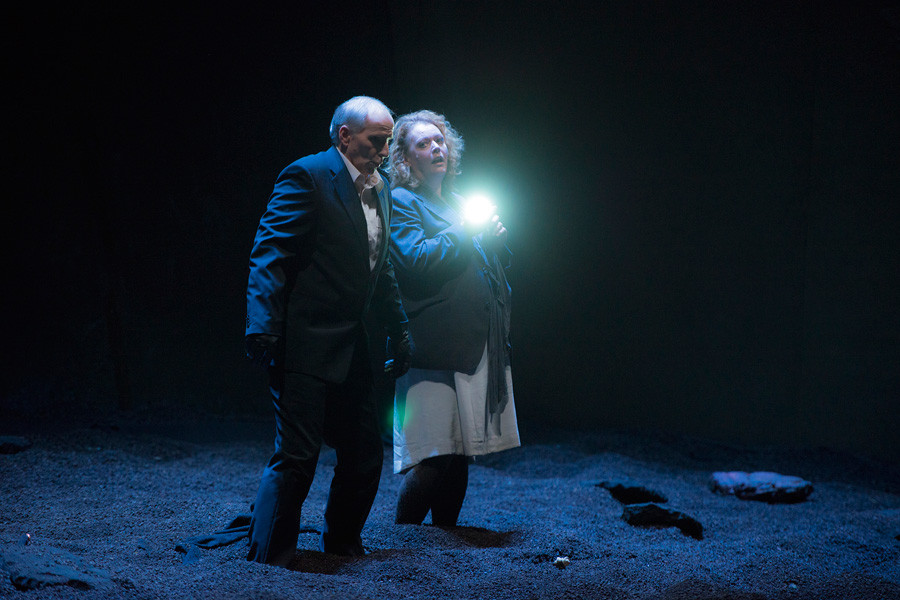
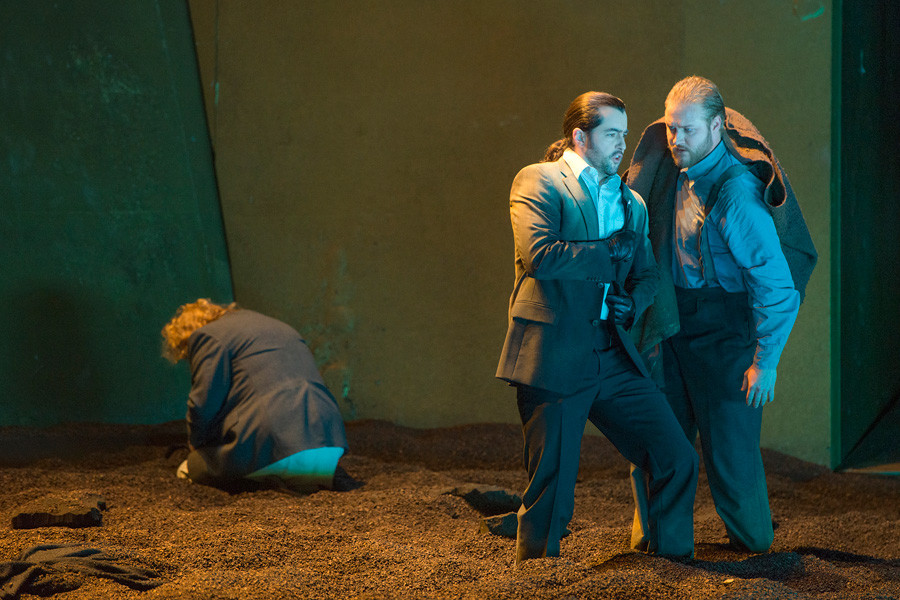
“Despite the scale of the score, ELEKTRA is very much a chamber drama. Rather than creating a series of gruesome images for the stage, I’m interested in rendering palpable the state of horror vacui in which people exist. The lines separating passion and obsession are dangerously blurred and we see this everyday in the news and in our daily lives. The thing about Elektra that moves me is her inability to grieve. She refuses to grieve and has constructed an existence that rules out the possibility of finding closure after loss. Deep, existential feelings such as anguish require a channel of expression. People who can grieve do not feel compelled to hate. ELEKTRA’s impact lies in its revelation of the sheer scale that behavioural patterns can take on when these patterns cannot be called into question. Chrysothemis can see a way to break the spiral of violence but she’s unable to sway her sister and liberate her from the mental vice grip that she’s in. While Elektra ends up riven emotionally in a reflection of her desolate inner world, with her personality floundering in a pandemonium of escalating emotions, only Chrysothemis is left, unable to escape a palace full of ghosts, the sole surviving member of the clan…” (Kirsten Harms, 2007)
Synopsis
Before the opera begins, Agamemnon sacrifices Iphigenia by deceit and leaves for the Trojan War. Upon his return, he is murdered by Klytaemnestra and her lover Aegisthus, who was a cousin to Agamemnon prompting fears of revenge from their children, Elektra, Chrysothemis, and the exiled Orest. Elektra remains at court to honor her father’s memory, while enduring hostility from her mother and the household.
Plot
"Wo bleibt Elektra?" ("Where is Elektra?")
Five servants try to wash the courtyard of the palace in Mycenae. While they do their work, they ask where can Elektra be, and she emerges from the shadows with a wild look on her face. The servants continue commenting how she came to be in that state and talk about how they taunt her only to receive insults from her. Only one servant shows sympathy for her, but she is taken away by the overseer to be flogged.[15]
"Allein! Weh, ganz allein." ("Alone! Alas, all alone.")
Elektra comes back for her daily ritual in memory of her father, who upon his return from Troy was killed while bathing by Klytaemnestra and Aegisth and dragged out into the courtyard. Elektra now starts imagining the day when her father will be avenged and then of the ensuing celebration in which she will lead the triumphal dance.
"Elektra!"
Chrysothemis enters the courtyard. Unlike Elektra, she is meek and accommodating, and has remained on decent terms with Klytaemnestra and Aegisth. However, she cares for the welfare of her sister. She tells Elektra that their mother plans to lock Elektra in a tower, where no daylight will enter. Elektra laughs at this plan. Elektra asks where Chrysothemis heard it. When she tells her that she heard it at the Queen's door, Elektra screams that there is nothing to find in this house but death. She might as well sit and wish death on her mother and stepfather, as Elektra does.
"Ich kann nicht sitzen und ins Dunkel starren." ("I can not sit and stare into the darkness.")
Chrysothemis does not wish to go on living a half-death in her own house: she wants to leave, marry and raise children.
"Es geht ein Lärm los." ("What tumult is this?")
As loud sounds are heard inside, Elektra mocks her sister that it is her wedding party. In reality, it is Klytaemnestra, who has just been awakened by her own nightmares. She goes with a large processional on her way to appease the gods through sacrifice. Chrysothemis tells Elektra that Klytaemnestra dreams of Orest murdering her. Chrysothemis begs Elektra not to stir trouble with Klytaemnestra today. She tells her that when their mother is scared, she is the most vicious. Elektra shuns her sister's pleas, telling her that she will speak to her mother as never before. Chrysothemis flees the courtyard.
"Was willst du? Seht doch, dort!" ("What do you want? Behold, there!")
Klytaemnestra stops at the sight of Elektra and wishes that she were not there to disturb her. She asks the gods for the reason for her burdens, but Elektra appeases her by telling her mother that she is a goddess herself.
"Ich will nichts hören!" ("I don't want to hear anything.")
Despite the protests of the Trainbearer and Confidante, Klytaemnestra climbs down to talk to Elektra. She passionately remembers her years of motherhood with her daughter. She accuses her retinue of being contradictory in their justifications of her nightmares, so she relies on her daughter for a true interpretation.
"Ich habe keine guten Nächte." ("I have no good nights.")
Klytaemnestra confides to her daughter that she has been suffering nightmares every night and that she still has not found the way to appease the gods. But, she claims, once that happens, she will be able to sleep again.
"Wenn das rechte Blutopfer unterm Beile fällt." ("When the right blood under the hatchet flows.")
Elektra teases her mother with little pieces of information about the right victim that must be slain, but she changes the conversation to her brother and why he is not allowed back. To Elektra's horror, Klytaemnestra says that he has become mad and keeps company with animals. She responds that this is not true and that all the gold that her mother has sent was not being used to support her son but to have him killed. Angered by this, Klytaemnestra goes off on an insane tirade, telling Elektra that she would give the proper information for a rite and sacrificial victim if she were starved.
"Was bluten muß? Dein eigenes Genick." ("Who must bleed? Your own throat.")
Then Elektra reveals who is to be the actual victim: it is Klytaemnestra herself. She goes on to describe how the gods must be appeased once and for all. She must be awakened and chased around the house just like an animal that is being hunted. Only when she wishes that all was over and after envying prisoners in their cells, she will come to realize that her prison is her own body. At that time, the axe, with which she killed her husband and which will be handed to Orest by Elektra, will fall upon her. Only then the dreams will stop.
"Lichter! Mehr Lichter" ("Lights! More lights!")
The Trainbearer and Confidante enter and whisper to her. Klytaemnestra laughs hysterically and, mocking Elektra, leaves. Elektra wonders what has made her mother laugh.[16]
"Orest! Orest ist tot!" ("Orest! Orest is dead!")
Chrysothemis comes bolting into the courtyard. She says that two messengers have arrived with the news that Orest is dead, trampled by his own horses. Elektra screams that it is not true. Both sisters sink to the ground in misery.
"Platz da! Wer lungert so vor einer Tür?" ("Give way! Who spies thus upon the threshold?")
As a young servant comes out of the house to fetch the master, he trips over Elektra and Chrysothemis.
"Nun muß es hier von uns geschehn." ("It is for us to act now.")
Elektra does not relent and a terrified Chrysothemis listens as her sister demands that she help her to avenge their father.
"Wie stark du bist." ("How strong you are.")
Elektra goes on to praise her sister and her beauty, promising that she shall become Chrysothemis's slave at her bridal chamber in exchange for the assistance in her task. Chrysothemis fights off her sister and flees. Elektra curses her.
"Nun denn, allein!" ("Well, alone!")
Determined to do it alone, she digs for the axe that killed her father, but is interrupted by a mysterious man who comes into the courtyard.
"Was willst du, fremder Mensch?" ("What do you want, stranger?")
She hears that he is expecting to be called from within the palace because he has a message for the lady of the house. He claims to be a friend of Orest, and says that he was with him at the time of his death.
"Wer bist denn du?" ("Who are you?")
Elektra grieves. The man first guesses that she must be a blood relative of Orest and Agamemnon, then, upon asking her name, discovers she is Elektra.
"Orest!"
Then, taken aback, she recognizes him: it is Orest who has come back in disguise. Elektra is initially ecstatic, but also ashamed of what she has become and how she has sacrificed her own royal state for the cause.
"Du wirst es tun? Allein? Du armes Kind?" ("You'll do it? Alone? Poor child?")
Orest's Tutor comes and interrupts the siblings; their task is dangerous and anything can jeopardize it. The Trainbearer and Confidante come out of the palace and lead Orest in.
"Ich habe ihm das Beil nicht geben können!" ("I could not give him the axe!")
Elektra realizes that she forgot to give the axe to Orest. Horrified, she has no other choice but to wait. Nevertheless, the piercing shriek of Klytaemnestra is heard from within the palace, then a grim moan. Elektra smiles brightly, knowing that Orest has killed their mother.
"Es muss etwas geschehen sein!" ("Something must have happened!")
Chrysothemis and the maids run into the courtyard with torches. They realize what is going on, and are horrified. They notice Elektra at the threshold of the door and call out to her. A maid notices the approaching Aegisth outside the palace. Fearing his wrath, she tells the others to run inside. All do so, except for Elektra.
"He! Lichter!" ("Torches there!")
Aegisth arrives. He is oblivious to what has just occurred; he is ecstatic to have heard that Orest is dead and wishes to speak with the messengers. Elektra, eerily dancing with a torch, happily ushers him inside the palace, reassuring him of her new change of heart.
"Helft! Mörder!" ("Help! Murder!")
As Aegisth screams and calls for help, Elektra replies: "Agamemnon can hear you."
"Elektra! Schwester!" ("Elektra! Sister!")
Chrysothemis comes out of the palace stating that Orest is inside and that he has killed Klytaemnestra and Aegisth. A massacre has begun with Orest's followers killing those who supported Aegisth and the Queen.
"Ob ich nicht höre?" ("How can I not hear?")
Elektra is ecstatic and wants to lead the crowd to dance but at first cannot.
"Hörst du denn nicht?" ("Don't you hear?")
Chrysothemis and Elektra praise their brother's feat.
"Schweig, und tanze." ("Be silent and dance.")
At last Elektra begins to dance. As she reaches the climax of her dance, she falls to the ground: Elektra is dead. Horrified, Chrysothemis calls for Orest, but to no avail.
Introduction: 45 minutes before the performance in the Rang Foyer on the right
Language: In German with German and English surtitles
Duration: 1 h 45 mins / no interval
Age recommendation: from age 16
Co-production: Kindly supported by Förderkreis der Deutschen Oper Berlin e. V.
Cast
Tragedy in one act by Richard Strauss
Poetry by Hugo von Hofmannsthal based on the drama of the same name by Sophocles
First performed on 25 January 1909 in Dresden
Premiere at the Deutsche Oper Berlin on 3 November 2007
Team
Conductor: Juraj Valčuha
Director: Kirsten Harms
Stage design, Costume design: Bernd Damovsky
Chorus direction: Thomas Richter
Choreography: Silvana Schröder
Cast
Klytemnestra: Okka von der Damerau
Elektra: Ricarda Merbeth
Chrysothemis: Ann-Kathrin Niemczyk
Aegistheus: Michael J. Scott
Orestes: Tobias Kehrer
The Guardian of Orest: Nicolai Elsberg
The Confidante: Lilit Davtyan
The Trainbearer: Sophie Salvesani
A young Servant: N. N.
An old Servant: Michael Bachtadze
The Overseer: Barbara Dobrzanska
First Maid: Stephanie Wake-Edwards
Second Maid: Marlen Bieber
Third Maid: Lauryn Davis
Fourth Maid: Julieth Lozano
Fifth Maid: Martina Russomanno
Chorus: Chor der Deutschen Oper Berlin
Orchestra: Orchester der Deutschen Oper Berlin
Dancer: Opernballett der Deutschen Oper Berlin
Media
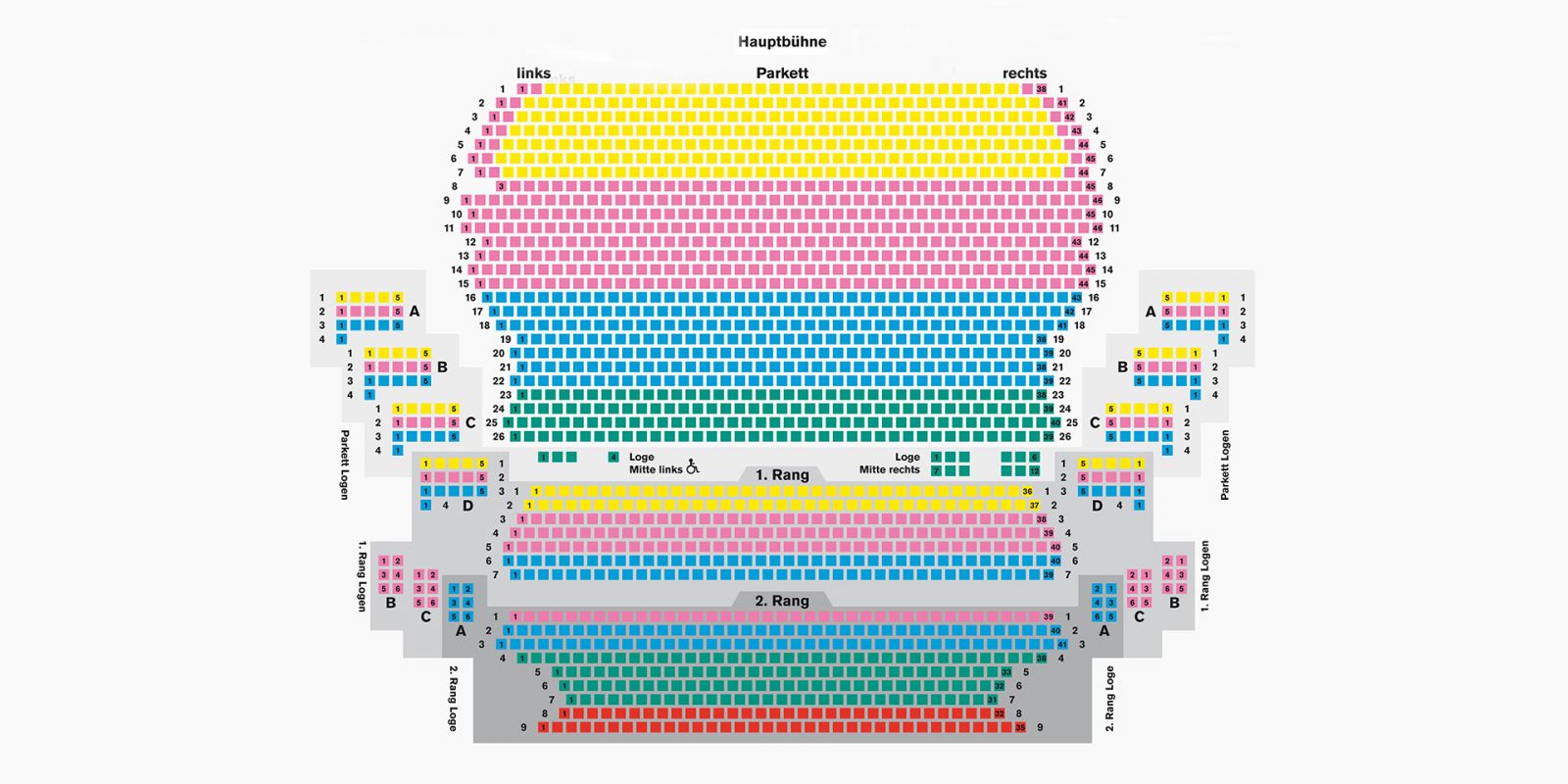
Venue
Deutsche Oper Berlin
The Deutsche Oper Berlin is an opera company located in the Charlottenburg district of Berlin, Germany. The resident building is the country's second largest opera house and also home to the Berlin State Ballet.
The company's history goes back to the Deutsches Opernhaus built by the then independent city of Charlottenburg—the "richest town of Prussia"—according to plans designed by Heinrich Seeling from 1911. It opened on November 7, 1912 with a performance of Beethoven's Fidelio, conducted by Ignatz Waghalter. After the incorporation of Charlottenburg by the 1920 Greater Berlin Act, the name of the resident building was changed to Städtische Oper (Municipal Opera) in 1925.
Deutsches Opernhaus, 1912
With the Nazi Machtergreifung in 1933, the opera was under control of the Reich Ministry of Public Enlightenment and Propaganda. Minister Joseph Goebbels had the name changed back to Deutsches Opernhaus, competing with the Berlin State Opera in Mitte controlled by his rival, the Prussian minister-president Hermann Göring. In 1935, the building was remodeled by Paul Baumgarten and the seating reduced from 2300 to 2098. Carl Ebert, the pre-World War II general manager, chose to emigrate from Germany rather than endorse the Nazi view of music, and went on to co-found the Glyndebourne opera festival in England. He was replaced by Max von Schillings, who acceded to enact works of "unalloyed German character". Several artists, like the conductor Fritz Stiedry or the singer Alexander Kipnis followed Ebert into emigration. The opera house was destroyed by a RAF air raid on 23 November 1943. Performances continued at the Admiralspalast in Mitte until 1945. Ebert returned as general manager after the war.
After the war, the company in what was now West Berlin used the nearby building of the Theater des Westens until the opera house was rebuilt. The sober design by Fritz Bornemann was completed on 24 September 1961. The opening production was Mozart's Don Giovanni. The new building opened with the current name.
Gift someone an unforgettable night at the opera. Choose a gift coupon and let them pick the performance they love—music, drama, and world-class artistry, all in one elegant experience.
 en
en 
 de
de it
it fr
fr es
es ru
ru jp
jp ro
ro







 Deutsche Oper Berlin
 Fri 06 Nov 2026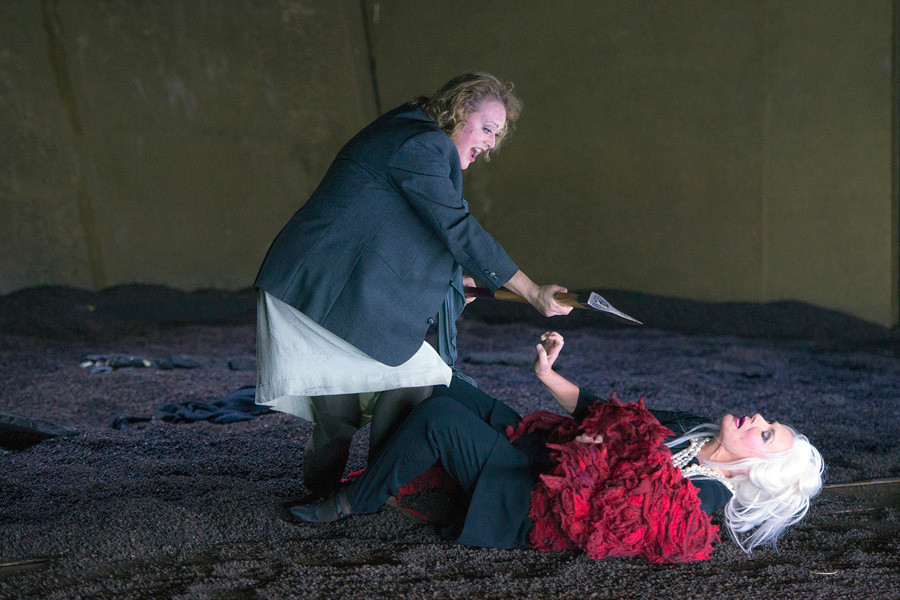




 RM EUROPA TICKET GmbH
 Call now
 Book now